FOR SALES & ADVICE CONTACT US ON 01858 435 900

- MENU
-
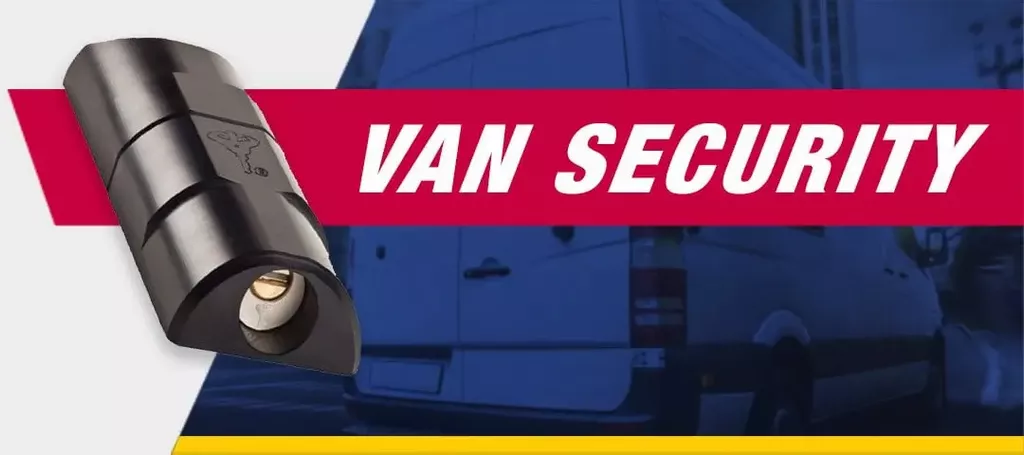
Van Security
-
- Ford Hykee Replocks: Hykee TVL Driver's Door Lock Upgrades
- Ford Wiring Loom Guards
- Garrison Deadlocks
- Garrison Slamlocks
- Ignition/OBD/ECU Protection Devices
- Pro Plates
- Protekta-plate
- Van Limpet Locks/Armourshell
- Van Pedal Boxes
- Lock Spares
- Garrison Hook Lock Cases
- Van Security Packs
- Hook Lock Kits (Anti Peel)
- Side Door Keepers (Anti Peel)
- Catloc (Catalytic & DPF Security)
- Spare Wheel Locks and Guards
- Protekta-Latch (Shielding)
- Ford Wiring Loom Guards
- Internal Shield
-
-
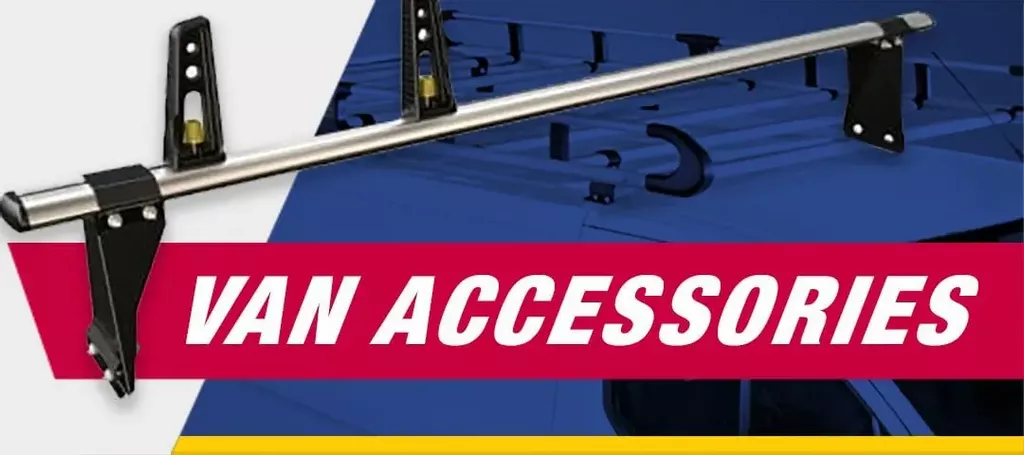
Van Accessories
-
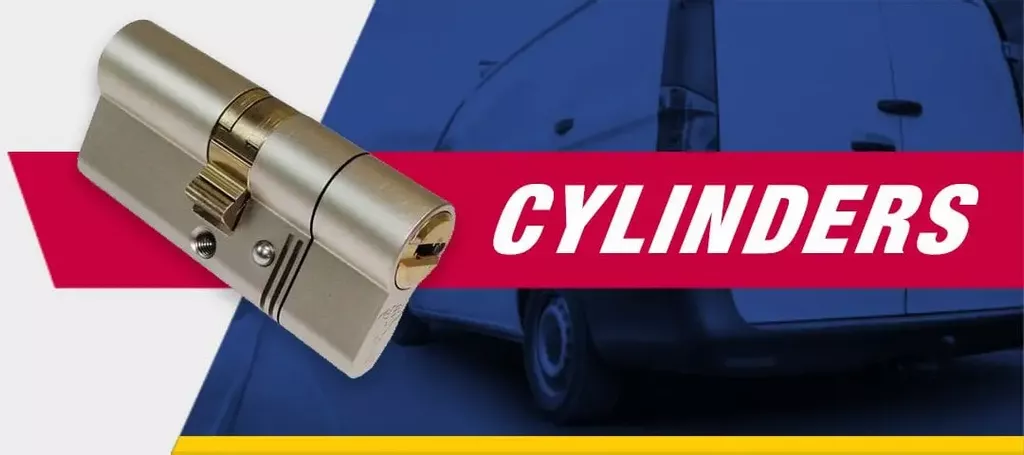
Cylinders
-
- Cylinder Lock Lubricant
- Rim Cylinders
- Ingersoll Compatible
- Mortice Cylinders
- Bullet Locks
- Scandinavian Ovals
- UK Oval Key and Turn Cylinders
- UK Oval Cylinders
- UK Oval Dual Key & Key Cylinders
- Banham Compatible
- Euro Profile Key & Key Cylinders
- Euro profile Key & Turn Cylinders
- Euro Profile Single Cylinders
- BreakSecure XP Euro Profile Double Cylinders
- BreakSecure XP Euro Profile Key & Turn Cylinders
- BreakSecure Euro Profile Key & Key Cylinders
- BreakSecure Euro Profile Key & Turn Cylinders
- Euro Profile Single BreakSecure Cylinders
- Garrison Caveo
- Key Platforms
- Garrison 76
- Garrison 835
- Garrison Integrator
- Garrison MTL300
- Garrison Caveo
- Read More about Key Platforms
-
-
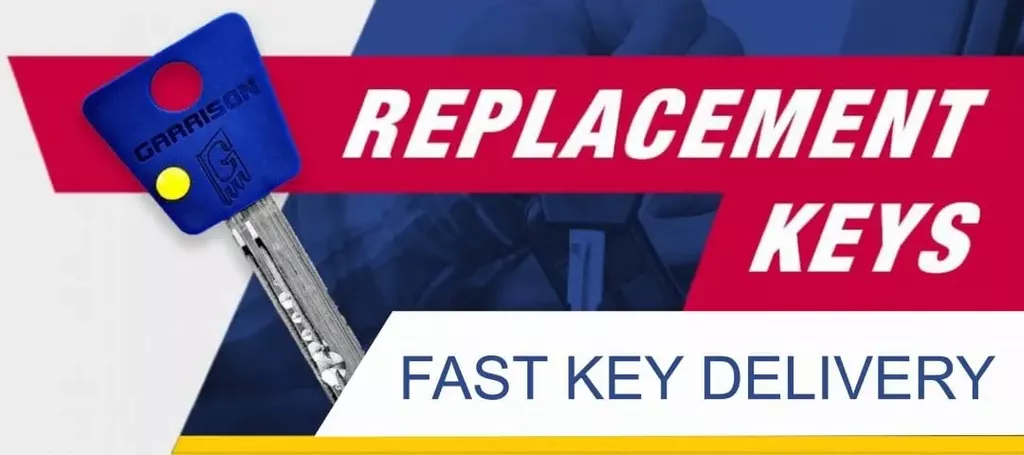
Replacement Keys
-
Padlocks
-
Access & Security
-
- Access Control
- Mechanical Digital
- Electric Locking
- Accessory
- Alarm
- Proximity
- Remote Access
- Fire & Deterrent
- Battery Operated Locks
- CCTV
- Audio & Video Door Entry
- Biometrics
- Automatic Operator
- Electronic Keypads
- Lighting
- Smart Products
- Hardware
- Door Furniture
- Ironmongery
- Hinge
- Sliding & Folding Door Gear
- Chain
- Window Fitting
- Key Cabinet & Key Safe
- Bolt & Bar
- Door Closer
- Exit Hardware
- Post Box
- Signs
- Fire Safety
- Injury Prevention
- Locking Products
- Gate Locks
- Garage Security
- Mortice Locks & Latches
- Door & Window Locks
- Padlocks & Bars
- Bullet & Shutter Locks
- Cylinders
- Cabinet & Camlocks
- Rim Locks & Latches
- FB & NKS Locks
- Budget Lock
- Bin Locks
- Saddle Lock
- Fire Brigade Locks
- Vehicle Security
- Safe Lock
- Multi Point Locks
- Window
- Door
- Accessory
- Patio
- Safes
- Key Safe
- Accessory
- Wall
- MOT
- Cash Box
- Laptop
- Floorboard
- Portable
- Cupboard
- Fire
- Keys & Accessories
- Accessory
- Blank Keys
- Locksmithing Tools
- Cutters & Drills
- Components
- Accessories
- Torches
- Workwear
- Safety Equipment
- Vehicles
- Forensic Marking
- Miscellaneous
-
Mobile Version
FOR SALES & ADVICE CONTACT US ON
01858 435 900

- Ford Hykee Replocks: Hykee TVL Driver's Door Lock Upgrades
- Ford Wiring Loom Guards
- Garrison Deadlocks
- Garrison Slamlocks
- Ignition/OBD/ECU Protection Devices
- Pro Plates
- Protekta-plate
- Van Limpet Locks/Armourshell
- Van Pedal Boxes
- Lock Spares
- Garrison Hook Lock Cases
- Van Security Packs
- Hook Lock Kits (Anti Peel)
- Side Door Keepers (Anti Peel)
- Catloc (Catalytic & DPF Security)
- Spare Wheel Locks and Guards
- Protekta-Latch (Shielding)
- Ford Wiring Loom Guards
- Internal Shield
-
- Pipe Carriers
- Trade Van Racking
- Ladders & ladder racks
- ULTI Bars, Rollers & Accessories,Van Accessories
- ULTI Racks
- Tool Stores
- ULTI Bar - Steel
- Seat Covers
- ULTI Bar - Aluminium
- Vehicle Floor Mats
-
- Cylinder Lock Lubricant
- Rim Cylinders
- Ingersoll Compatible
- Mortice Cylinders
- Bullet Locks
- Scandinavian Ovals
- UK Oval Key and Turn Cylinders
- UK Oval Cylinders
- UK Oval Dual Key & Key Cylinders
- Banham Compatible
- Euro Profile Key & Key Cylinders
- Euro profile Key & Turn Cylinders
- Euro Profile Single Cylinders
- BreakSecure XP Euro Profile Double Cylinders
- BreakSecure XP Euro Profile Key & Turn Cylinders
- BreakSecure Euro Profile Key & Key Cylinders
- BreakSecure Euro Profile Key & Turn Cylinders
- Euro Profile Single BreakSecure Cylinders
- Garrison Caveo
- Key Platforms
- Garrison 76
- Garrison 835
- Garrison Integrator
- Garrison MTL300
- Garrison Caveo
- Read More about Key Platforms
-
- Garrison 76 Keys
- Garrison 835 Keys
- TVL Replock keys
- MUL-T-LOCK MTL300 Key
- Garrison Integrator Keys
- Garrison 164SR Keys
- Caveo Keys
-
- Garrison C Series Padlocks
- Garrison G Series Padlocks
- Garrison NE Series Padlocks
- Garrison NG Series Padlocks
- Ground Anchors And Chain
- Key Platforms
- Garrison 76
- Garrison Integrator
- Garrison MTL300
- Read More about Key Platforms
-
- Access Control
- Mechanical Digital
- Electric Locking
- Accessory
- Alarm
- Proximity
- Remote Access
- Fire & Deterrent
- Battery Operated Locks
- CCTV
- Audio & Video Door Entry
- Biometrics
- Automatic Operator
- Electronic Keypads
- Lighting
- Smart Products
- Hardware
- Door Furniture
- Ironmongery
- Hinge
- Sliding & Folding Door Gear
- Chain
- Window Fitting
- Key Cabinet & Key Safe
- Bolt & Bar
- Door Closer
- Exit Hardware
- Post Box
- Signs
- Fire Safety
- Injury Prevention
- Locking Products
- Gate Locks
- Garage Security
- Mortice Locks & Latches
- Door & Window Locks
- Padlocks & Bars
- Bullet & Shutter Locks
- Cylinders
- Cabinet & Camlocks
- Rim Locks & Latches
- FB & NKS Locks
- Budget Lock
- Bin Locks
- Saddle Lock
- Fire Brigade Locks
- Vehicle Security
- Safe Lock
- Multi Point Locks
- Window
- Door
- Accessory
- Patio
- Safes
- Key Safe
- Accessory
- Wall
- MOT
- Cash Box
- Laptop
- Floorboard
- Portable
- Cupboard
- Fire
- Keys & Accessories
- Accessory
- Blank Keys
- Engraving Equipment
- Key Machines
- Locksmithing Tools
- Cutters & Drills
- Components
- Accessories
- Cylinder Locks
- Torches
- Workwear
- Safety Equipment
- Vehicles
- Mortice Locks
- Forensic Marking
- Miscellaneous
-
